The 2-Minute Rule and the Pomodoro Technique: Two Real Ways to Reset Your Routine This August
August is a full month of regular workdays. With no federal holiday to break it up and the end of summer nudging everyone back into a routine, it is a natural moment to reset how you actually work.
Photo by Magnific.
Two methods come up in every guide written for this exact moment: the 2-Minute Rule and the Pomodoro Technique. Both are genuinely useful. Both are also explained badly almost everywhere. Photo by Freepik.
This is the version that gets the details right, including the one thing most articles get wrong from the first sentence.
First, the mistake almost every guide makes
There is not one 2-Minute Rule. There are two, from two different books, and people mix them up constantly.
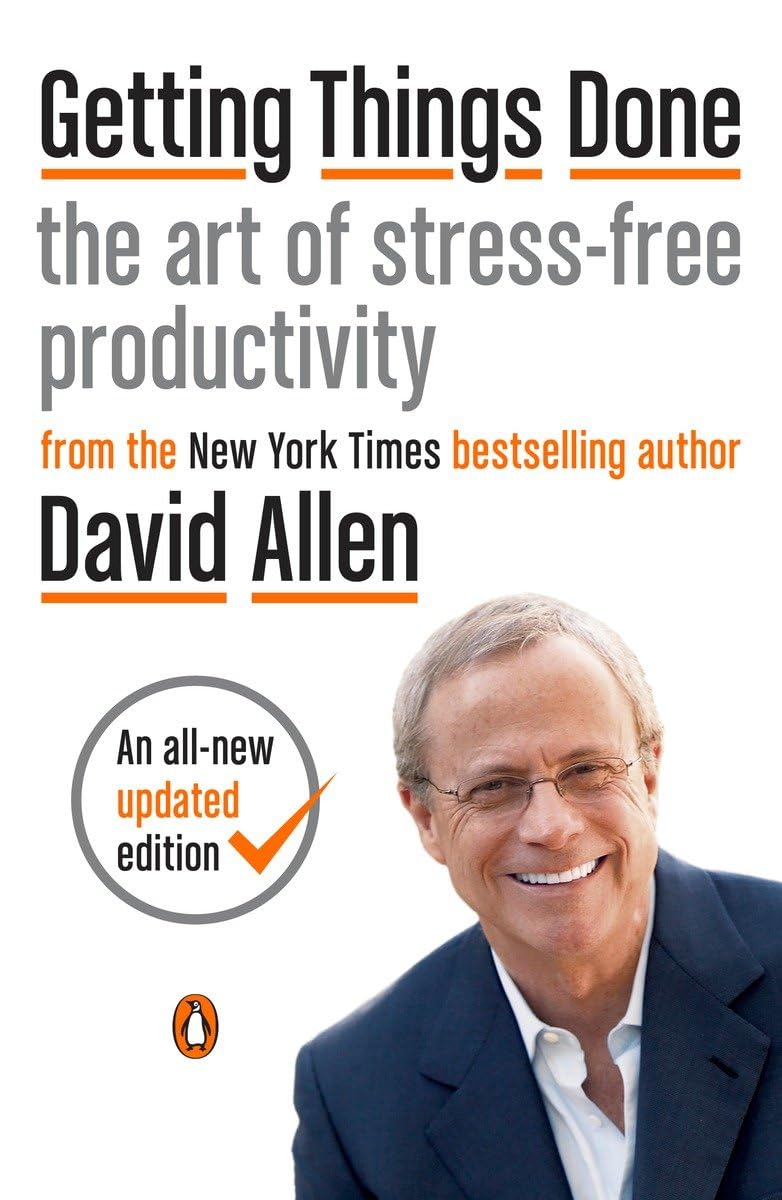
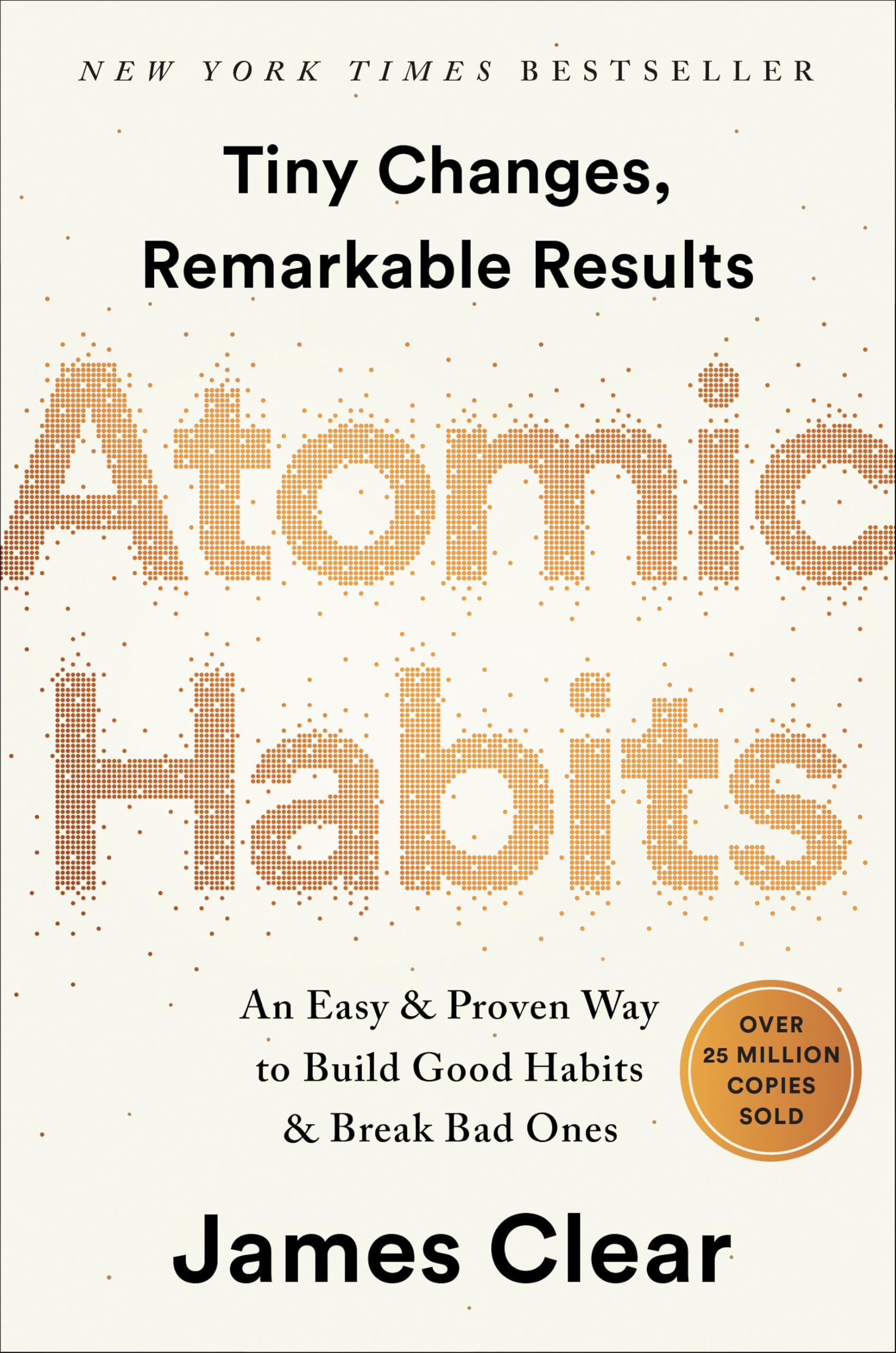
One comes from David Allen’s Getting Things Done (2001) and is about clearing small tasks. The other comes from and is about building habits.
They share a name and a number, but they solve different problems, and using the wrong one for the wrong job is exactly why the rule backfires for so many people. Sorting them out is the whole trick.
The 2-Minute Rule, version one: do it now
David Allen’s version is a task rule. If an action will take less than two minutes, do it the moment it comes up instead of writing it down for later.
The logic is not motivational, it is economic. For a task that small, the overhead of capturing it, categorizing it, scheduling it, and coming back to it later costs more total time and mental energy than simply doing the thing.
Replying to a short email
Filing a receipt
Confirming an appointment
Rinsing a mug
Each one is faster to finish than to track.
There is a real catch, and it is where people go wrong. Done badly, this rule trains you to grab every tiny task the instant it appears, which is the opposite of focus.
A day spent chasing two-minute jobs is a day with no deep work in it.
The fix is to give the rule a time and a place. Batch your two-minute tasks into a short triage window, for example twenty minutes in the morning and twenty after lunch, and clear them then.
Outside that window, let small tasks wait. You get the cleared list without letting it shred your attention. And remember that people badly underestimate time, so a two-minute task that is really a fifteen-minute task does not belong in the rule at all.
The 2-Minute Rule, version two: just start
James Clear borrowed the same two-minute threshold and flipped its purpose. His version is a habit rule: when you want to build a new habit, scale the starting version down until it takes two minutes or less.
Read before bedread one page.
Do yogaroll out the mat.
Study for an houropen the book and set a timer.
The point is not the workout or the chapter, it is showing up. A habit has to be established before it can be improved, and the hardest part is almost always starting.
Make the start almost too small to skip, repeat it until it is automatic, then let it grow on its own.
The honest caveat here is that the two-minute start is a doorway, not the destination. If you roll out the mat and walk away every day, you have built the ritual but not the habit.
The trick is to let the small action pull you into the larger one naturally, without forcing it on the days you do not have it in you.
Here is the quick way to know which rule you are reaching for:
Situation
Which rule
What you do
A tiny task just appeared: a reply, a receipt, a payment
Allen’s rule
Do it now, do not add it to a list
You keep skipping a habit you actually want
Clear’s rule
Shrink it to a two-minute start, then let it grow
You need to protect real, focused work
Pomodoro
Work in timed blocks and guard them
The Pomodoro Technique: structure for the work itself
Where the 2-Minute Rule handles small tasks and habits, the Pomodoro Technique handles the focused work in between.
It was created by Francesco Cirillo in the late 1980s, when he was a university student who could not concentrate and bet himself he could stay focused for just a couple of minutes.
He grabbed a tomato-shaped kitchen timer, and pomodoro, Italian for tomato, gave the method its name.
The core loop is simple. Pick one task. Set a timer for twenty-five minutes and work only on that task until it rings. That block is one pomodoro. Take a five-minute break. After four pomodoros, take a longer break of fifteen to thirty minutes.
The parts most guides skip are the rules that make it work:
Protect the pomodoro
During the block, defend it from both outside interruptions and your own urge to check a phone. That protection is the entire point, not the timer itself.
Log distractions, do not chase them
When something pops into your head or someone pings you, jot it on a separate list and deal with it later. This is where Allen’s rule pairs in nicely: your logged small tasks become the triage window between blocks.
A pomodoro is indivisible
If you break it, it does not count. That rule is what teaches your attention to hold.
A physical timer helps
Cirillo favors an analog timer because winding it is a small act of commitment, and it does not come with notifications attached.
One important nuance almost nobody mentions: the twenty-five minutes is not sacred.
Cirillo landed on it partly because of what a kitchen timer could do and partly because it fit him, and he has said the timer sessions are not the technique, just one expression of a wider habit of guarding your attention.
If your focused work flows better in longer stretches, lengthen the block. Judge it by whether your concentration actually holds, not by orthodoxy.
How to combine all three this month
The real gain comes from using them together, each for the job it is built for.
Rebuild the routine
Clear’s rule
After a loose summer, pick one habit and shrink it to a two-minute start. One habit, not five. Let it become automatic before adding the next.
Protect the real work
Pomodoro
Put your important task in a timed block and guard it. Start with the standard twenty-five and adjust from there.
Clear the clutter
Allen’s rule
Use the breaks between blocks as your triage window, and blitz the small two-minute tasks you logged. That keeps them out of your focus time instead of scattered through it.
Done this way, the three stop competing for the same minutes. Habits get installed, deep work gets protected, and small tasks get cleared, all on purpose.
Does any of this actually work?
The honest answer is that the common thread matters more than any single rule: all three push you toward doing one thing at a time.
Researchers at Stanford who studied heavy media multitaskers found they were worse at filtering out distractions and switching between tasks, not better, which is a useful argument against the always-on, everything-at-once default.
That said, the specific numbers are heuristics, not laws. Two minutes and twenty-five minutes are round, memorable thresholds whose real job is to lower the cost of starting.
Rigorous evidence on the exact Pomodoro interval is limited, so treat the lengths as adjustable and let results, not rules, decide what you keep. A method that fits your day beats a famous one that does not.
A simple August reset
Choose one habit to rebuild and shrink its starting version to two minutes.
Block your focus in pomodoros, guarding each one from interruption.
Set two triage windows a day for two-minute tasks, and leave them alone the rest of the time.
Adjust the numbers to fit your attention, then keep only what actually sticks.
Frequently asked questions
David Allen’s rule, from Getting Things Done, is for tasks: if something takes under two minutes, do it now instead of tracking it. James Clear’s rule, from Atomic Habits, is for habits: shrink a new habit to a two-minute start so it is easy enough to do every day. Same number, different jobs.
No. Twenty-five is the standard and a good default, but the interval is adjustable. The essential part is a protected, single-task block followed by a real break, not the exact minute count.
Neither is required. Cirillo prefers a physical timer because winding it is a small commitment and it carries no notifications, but any timer works. The rule that matters is guarding the block from interruption.
Then it was never a two-minute task, and Allen’s rule does not apply to it. Add it to your list and schedule it like any other real task, rather than letting it hijack your focus.
Yes, and they work better paired. Use Pomodoro to protect focused work, log any small tasks that pop up during a block, and clear them with Allen’s rule in the break, so they never interrupt the work itself.
How we verified this
The two versions of the 2-Minute Rule were checked against their original sources: David Allen’s Getting Things Done for the task rule, and James Clear’s Atomic Habits, including his own site, for the habit rule.
The Pomodoro Technique’s origin and structure were confirmed against Francesco Cirillo’s official Pomodoro Technique site and reference encyclopedias.
The point about single-tasking draws on the 2009 Stanford study on media multitaskers published in the Proceedings of the National Academy of Sciences. Where methods are commonly misdescribed online, we deferred to the creators’ own definitions.
This article is for general information about productivity methods. What works varies from person to person, so treat these as tools to test, not rules you must follow.
Single-tasking and multitasking: Ophir, Nass, and Wagner, “Cognitive control in media multitaskers,” Proceedings of the National Academy of Sciences, 2009 (https://www.pnas.org/doi/10.1073/pnas.0903620106).
Written by
Gabriel
Gabriel is a writer with a decade of experience in the newsroom and beyond. He has covered just about everything, but over the past five years he has built a clear focus on two beats: finance and travel. He earned his Communications degree from Unicamp, spent six months at Fontys in the Netherlands, and holds a postgraduate degree in Journalism. He is currently pursuing a master's degree at the University of Lisbon, where he continues to sharpen his perspective on communication and content.